Makar Sankranti
When Life Asks Us to Change Direction
1/14/20262 min read
There are festivals that entertain us, and then there are festivals that educate us quietly.
Makar Sankranti belongs to the second kind.
Celebrated across India in different forms, Pongal, Lohri, Uttarayan, Magh Bihu, Makar Sankranti is rooted not merely in ritual, but in cosmic truth and human wisdom. It marks the moment when the Sun begins its northward journey, known as Uttarayan. Symbolically, this is the journey from darkness toward light, from stagnation toward growth.
But beyond astronomy and tradition, Makar Sankranti carries a powerful message for our inner life.
A Festival of Direction, Not Decoration
The Sun does not suddenly shine brighter on Makar Sankranti.
It simply changes direction.
And that is the deepest lesson of this day.
Many of us spend years waiting for life to change, waiting for people, circumstances, luck, or time to improve. Makar Sankranti reminds us that transformation does not begin with waiting; it begins with alignment. When direction changes, destiny slowly follows.
Just like the Sun, when we turn our efforts toward purpose, clarity gradually replaces confusion.
From Winter to Hope
Makar Sankranti arrives at the peak of winter. The cold is still present, but its dominance is over. Days start becoming longer. Light begins to reclaim space.
This teaches us something profound:
Even when darkness feels intense, its authority may already be weakening.
In moments of self-doubt, exhaustion, or uncertainty, this festival whispers reassurance, hold on, move forward, the tide is turning.
The Wisdom of Til and Jaggery
The traditional exchange of til (sesame seeds) and jaggery is not a coincidence.
Til is hard, jaggery is soft.
Til represents resilience, jaggery represents sweetness.
Together they teach us a timeless truth:
Life requires strength in character and sweetness in conduct.
One without the other makes us incomplete. Strength without kindness turns rigid; sweetness without strength turns fragile. Makar Sankranti asks us to balance both.
The Kite That Rises Because of Resistance
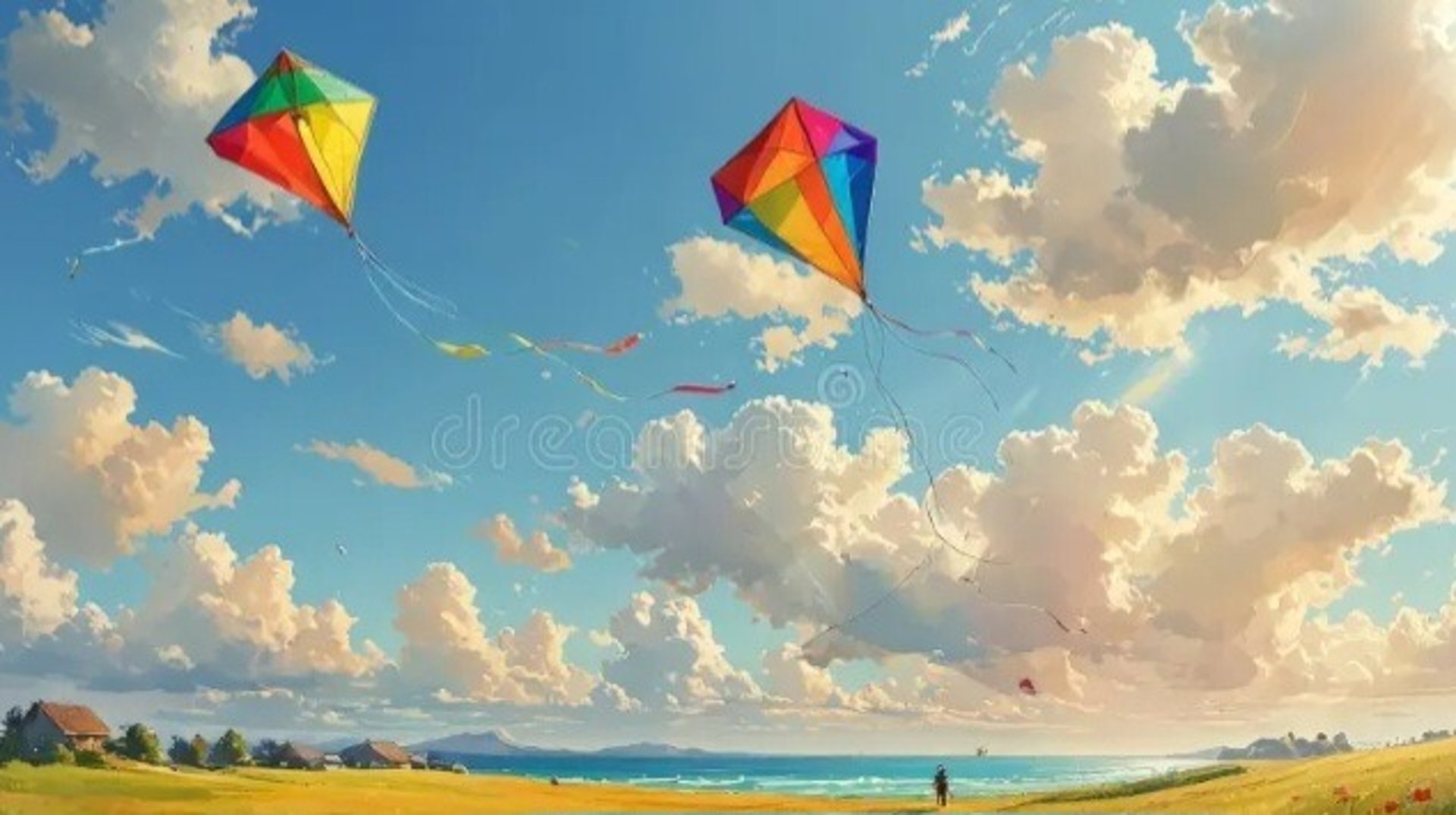
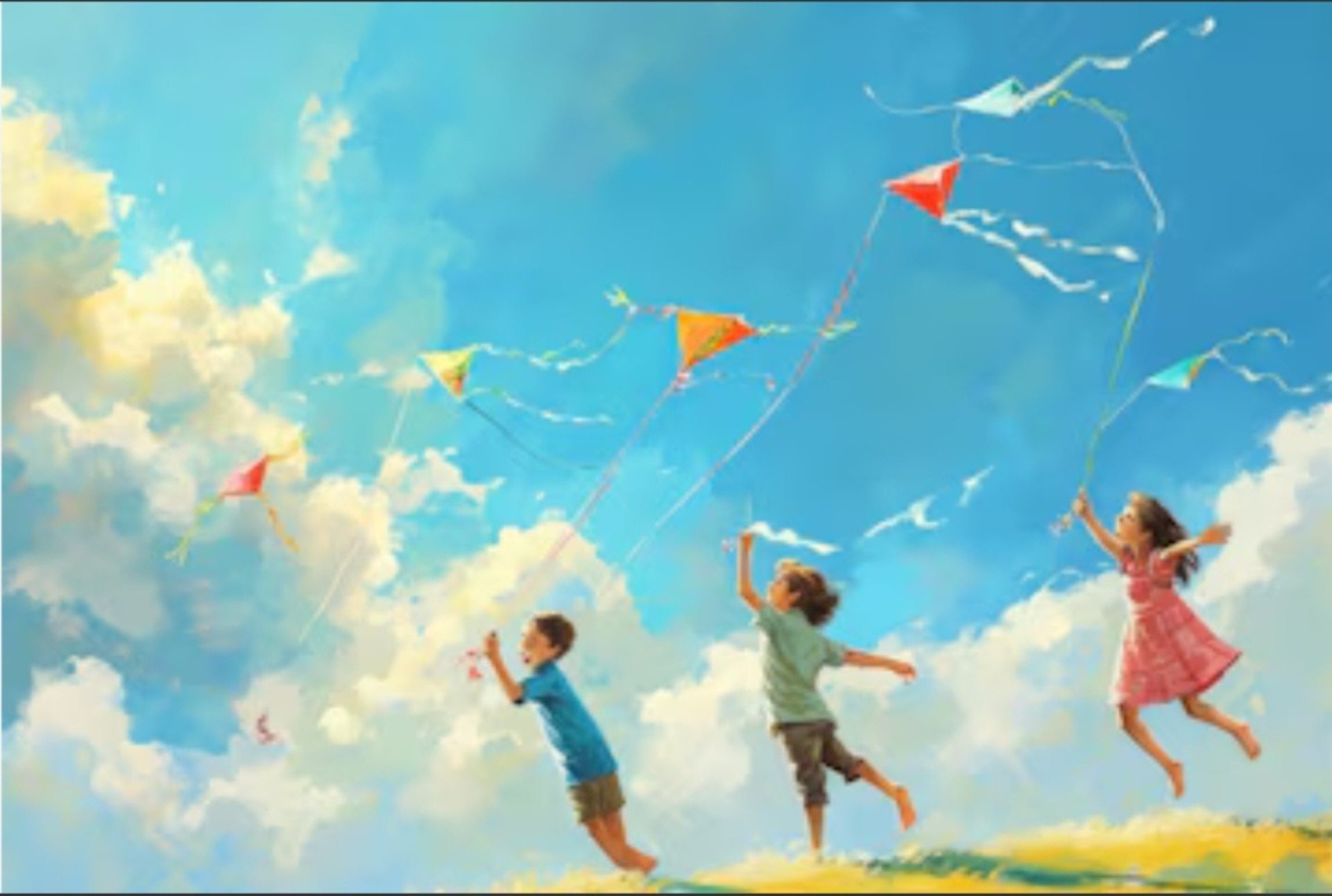
Kites fill the sky during Makar Sankranti celebrations. Yet a kite rises only when it faces resistance from the wind. Without opposition, it cannot soar.
This becomes a beautiful metaphor for life.
Challenges are not signs that we are failing; they are often signs that we are ascending. What matters is balance. Too much control snaps the string, too little makes the kite drift away.
Freedom, guided by discipline, is what allows us to rise.
A Lesson in Gratitude and Cycles
As a harvest festival, Makar Sankranti is a moment of gratitude. Gratitude to the Sun, the soil, the farmer, and the unseen forces that sustain life.
It reminds us that everything operates in cycles:
Effort and reward
Silence and celebration
Waiting and abundance
Nothing is permanent. Not hardship, not success. Understanding this makes us patient in pain and humble in prosperity.
What Makar Sankranti Ultimately Teaches Us
At its core, Makar Sankranti is an inner call:
To move from inertia to intention
From doubt to discipline
From fear to forward movement
It does not demand dramatic resolutions. It invites quiet determination. The kind that lasts.
Makar Sankranti is not just about flying kites or sharing sweets.
It is about reminding ourselves that life improves when direction improves.
When we align our actions with clarity, effort with patience, and strength with compassion, light inevitably follows. Just as it does after this sacred turning point of the Sun.